
Conditions & Osteopathy in Collingwood
Musculoskeletal pain can affect more than one part of the body.
Explore common pain and movement-related concerns assessed with osteopathic manual therapy in Collingwood. Each condition is approached individually, with attention to symptoms, movement, activity demands and when referral may be appropriate.
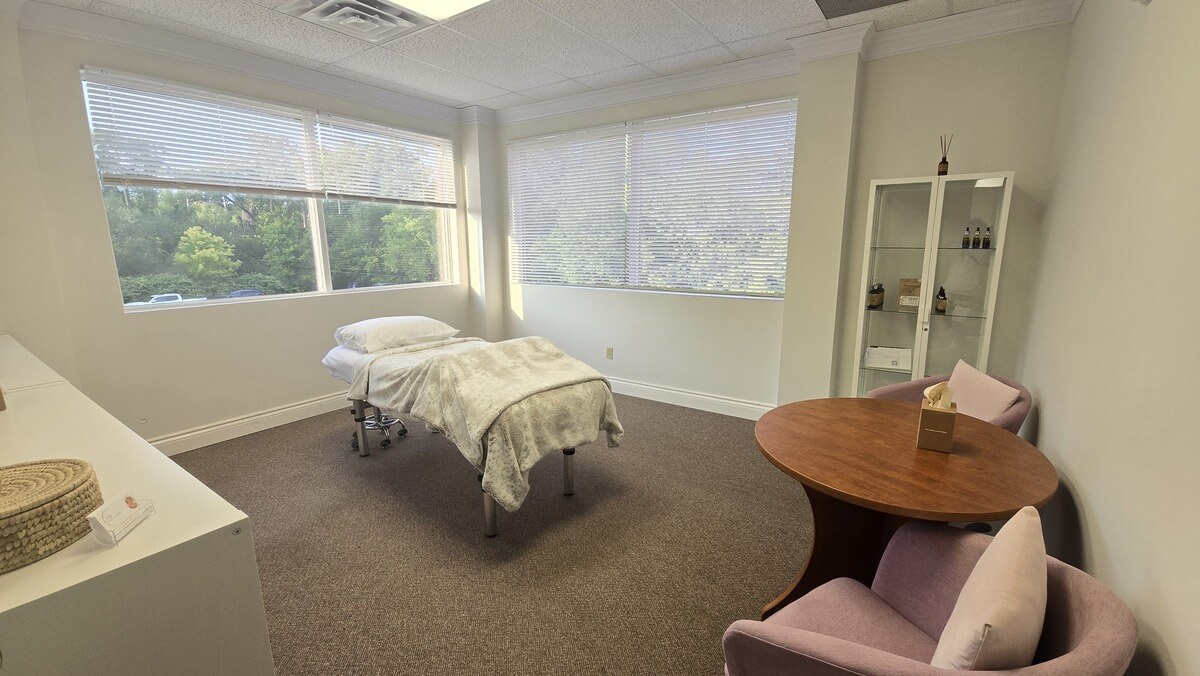
Conditions we assess
Osteopathy looks at the problem—and the movement around it.
Pain in one region does not always mean that region is the only area worth assessing.
A painful shoulder may be influenced by the neck or upper back. Hip symptoms may overlap with the lower back or pelvis. Knee movement may be affected by mobility at the hip or ankle.
Osteopathic manual therapy uses history, movement assessment and hands-on evaluation to understand the musculoskeletal picture before treatment is selected.
Explore by condition
Common reasons people seek osteopathic care.
Choose a condition below to learn more about possible musculoskeletal factors, what may be assessed, treatment options and when medical care should come first.
Back Pain
Lower or upper-back pain, stiffness and movement-related discomfort that may affect sitting, lifting, walking or activity.
Spine
Neck Pain
Neck stiffness, restricted movement and upper-body tension associated with posture, activity, strain or other musculoskeletal factors.
Spine
Sciatica
Pain, tingling or other symptoms travelling through the buttock and leg that may involve irritation of the sciatic nerve or nearby structures.
Nerve-Related Symptoms
Shoulder Pain
Shoulder pain or stiffness affecting reaching, lifting, overhead movement, sleep, sport or everyday activities.
Upper Body
Headaches & Migraines
Assessment of musculoskeletal factors that may be relevant to some headache patterns, including neck and upper-back tension.
Head & Neck
Sports Injuries
Musculoskeletal injuries, stiffness and activity-related pain associated with sport, training or recreational activity.
Prenatal Care
Hip Pain
Groin, outer-hip or buttock discomfort affecting walking, stairs, sitting, sleeping, sport or lower-body movement.
Lower Body
Knee Pain
Knee Pain
Knee pain associated with stairs, squatting, walking, running, sport or previous injury.
Lower Body
Not sure where your symptoms fit?
Many musculoskeletal complaints overlap.
Pain can be referred.
The area where you feel pain is not always the only area involved. For example, some lower-back presentations can refer into the buttock or hip, and some neck-related symptoms can be felt toward the shoulder or arm.
Movement patterns matter.
How symptoms respond to walking, sitting, reaching, bending, running or other activity can help guide what should be assessed and whether manual therapy is appropriate.
Previous injuries may be relevant.
An old ankle, knee, hip, shoulder or spinal injury can sometimes influence current mobility and movement strategies. The relationship needs to be assessed rather than assumed.
Clinical Caution
When symptoms suggest a fracture, infection, neurological condition, significant internal medical issue or another concern, appropriate medical assessment should take priority.
What a treatment visit may include
A whole-body view does not mean treating everything.
The goal is to identify which findings actually appear relevant to your symptoms.
1. Discuss Your Symptoms
Review when the problem started, what affects it, previous injuries, medical history and your activity goals.
2. Assess Relevant Movement
Depending on the complaint, posture, range of motion, walking or specific movement patterns may be assessed.
3. Hands-On Assessment
Joints, muscles and surrounding soft tissues may be assessed when clinically appropriate.
4. Choose the Appropriate Approach
Treatment is individualized rather than applying the same technique to every condition.
5. Reassess & Plan
Response to care, next steps, movement advice or referral can be discussed after treatment.
Osteopathic manual therapy
What kinds of treatment may be used?
Techniques are selected according to the individual.
Depending on the assessment, treatment may include soft tissue therapy, fascial release, joint mobilization, cranial osteopathy, visceral manipulation or other gentle osteopathic manual approaches.
Not every technique is appropriate for every condition, and treatment should remain within the practitioner's scope and the patient's comfort.
Explore treatments
Learn about individual osteopathic techniques.
Soft Tissue Therapy
Hands-on techniques focused on muscles and surrounding soft tissues.
Joint Mobilization
Controlled manual techniques used to assess and support joint mobility.
Fascial Release
Gentle and sustained approaches focused on connective tissue mobility.
Cranial Osteopathy
Light-touch osteopathic techniques used within broader manual assessment and care.
Visceral Manipulation
Gentle manual techniques involving abdominal and surrounding tissues when appropriate.
Pregnancy Osteopathy
Gentle musculoskeletal care adapted to changes in movement and comfort during pregnancy.
When medical care comes first
Some symptoms should be assessed medically before osteopathic treatment.
Manual therapy is appropriate only when the presentation fits within a musculoskeletal scope.
Seek medical care for significant trauma, suspected fracture or dislocation, sudden or progressive weakness, loss of bowel or bladder control, new severe neurological symptoms, fever with a hot or swollen joint, unexplained severe or rapidly worsening pain, or other concerning systemic symptoms.
Sudden severe headache, chest pain, shortness of breath, stroke-like symptoms or other potential emergencies require urgent medical attention.
Important: If symptoms are new, severe, unexplained or significantly different from your usual musculoskeletal complaints, seek appropriate medical assessment rather than delaying care.
Find your condition quickly
Browse all current condition guides.
Frequently asked questions
Conditions and osteopathy: common questions
What conditions can an osteopathic manual practitioner assess?
Osteopathic manual practitioners commonly assess musculoskeletal complaints involving joints, muscles, movement and mobility. Whether treatment is appropriate depends on the individual presentation and the practitioner's scope.
Do I need a diagnosis before booking an osteopathy appointment?
Not necessarily for many routine musculoskeletal complaints. However, symptoms suggesting significant injury, neurological problems, infection or another medical condition should receive appropriate medical assessment.
Will treatment focus only on the area where I feel pain?
Not always. Related joints and regions may be assessed when they appear relevant, but a whole-body approach does not mean every area needs treatment.
Can osteopathy be used alongside physiotherapy or other care?
Yes, depending on the situation. Manual therapy may be one component of a broader care plan that can include medical management, rehabilitation, exercise or other healthcare services.
How do I know which condition page applies to me?
Start with the region where your main symptoms occur. If your symptoms overlap several regions or you are unsure, an assessment can help clarify what appears most relevant.
How many osteopathy appointments will I need?
There is no standard number of visits. Recommendations depend on the complaint, assessment findings, response to care, duration of symptoms and your goals.
Your local osteopathy clinic
Osteopathy in the heart of Collingwood.
Location
Healing Alchemy – Registered Manual Osteopathy
391 First St Suite 201-06, Collingwood, ON L9Y 1B3
Osteopathy in Collingwood
Not sure which condition best describes what you're experiencing?
Book an osteopathic assessment to discuss your symptoms, movement and goals and determine whether osteopathic manual therapy is an appropriate option for you.