
Osteopathic Treatments in Collingwood
Different techniques. One individualized osteopathic approach.
Osteopathic manual treatment can include a range of hands-on techniques selected according to your symptoms, movement, comfort and assessment findings. Explore the treatment approaches available in Collingwood and how each may fit within broader osteopathic care.
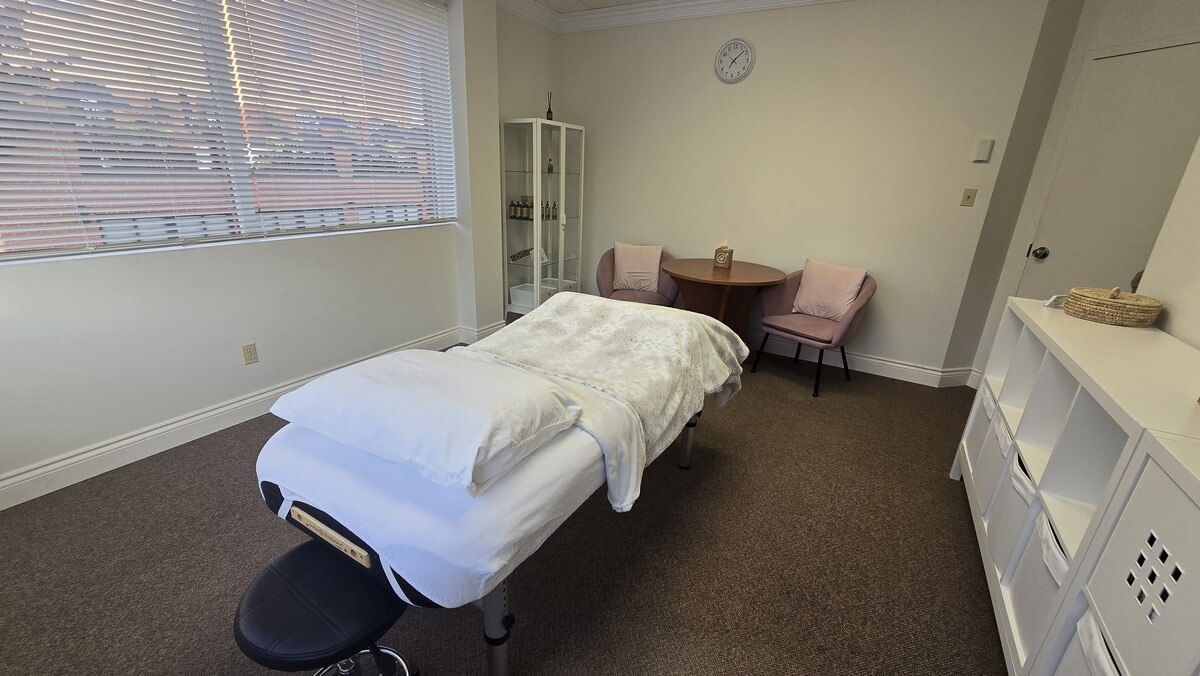
Individualized manual care
A technique is not the treatment plan.
Osteopathic care starts with assessment—not with choosing a favourite technique.
One person may benefit from soft tissue work and gentle joint mobilization, while another may require a lighter approach or no manual treatment at all. The techniques used should reflect the clinical picture, tissue sensitivity, goals and comfort of the individual.
The purpose of this treatment hub is to explain the different hands-on approaches that may be used within osteopathic manual care, rather than suggest that one technique is appropriate for every problem.
Explore treatments
Osteopathic manual techniques and specialized approaches.
Choose a treatment below to learn what it involves, what it may feel like, when it may be considered and the limits of the available evidence.
Soft Tissue Therapy
Hands-on techniques focused on muscles and surrounding soft tissues when tension, guarding or mobility restriction appears relevant.
Muscles & Soft Tissues
Joint Mobilization
Controlled manual movements used to assess and support joint mobility without requiring forceful manipulation or joint “cracking.”
Joints & Mobility
Fascial Release
Gentle or sustained manual approaches focused on connective tissue mobility and movement-related restrictions.
Connective Tissue
Cranial Osteopathy
Light-touch osteopathic techniques used within broader manual care, with realistic expectations around what the evidence can support.
Light-Touch Approach
Visceral Manipulation
Gentle manual techniques involving the abdomen and surrounding tissues when their mobility appears relevant to the musculoskeletal assessment.
Abdominal & Surrounding Tissues
Osteopathy for Pregnancy
Pregnancy-adapted manual care focused on musculoskeletal comfort, mobility, posture and changing physical demands during pregnancy.
Prenatal Care
Pediatric Osteopathy
Age-appropriate, gentle manual care for musculoskeletal comfort and movement, with parental involvement and clear scope boundaries.
Children & Teens
Osteopathic Manual Therapy
Learn how assessment, movement and hands-on treatment fit together within the broader osteopathic approach.
Core Service
How techniques are selected
What determines which treatment is used?
Your Presentation
The location, duration, severity and behaviour of symptoms help determine whether hands-on treatment is appropriate and which approach may fit.
Movement Findings
Joint movement, soft tissue tone, functional movement and how symptoms respond to position or load may influence treatment selection.
Comfort & Preference
Some people prefer lighter treatment, while others are comfortable with more direct manual techniques. Treatment should respect consent and comfort throughout.
Clinical Caution
Recent injury, pregnancy, age, medical history and other factors may require modification, referral or avoiding a particular technique altogether.
What a treatment visit may include
Treatment is part of a broader assessment process.
A hands-on technique should have a reason for being used.
1. History
Discuss symptoms, health history, previous injuries, goals and any relevant medical care.
2. Movement Assessment
Relevant joints, posture or functional movements may be assessed depending on the complaint.
3. Hands-On Assessment
The practitioner may assess joint motion, muscles, fascia and surrounding tissues when appropriate.
4. Manual Treatment
One or more techniques may be selected and adapted to your comfort and clinical findings.
5. Reassessment
Movement and symptoms may be reassessed to help guide next steps and whether further care is appropriate.
What does osteopathic treatment feel like?
Manual care does not have to be forceful.
Techniques can range from very light touch to more direct mobilization.
Techniques can range from very light touch to more direct mobilization.
Soft tissue and fascial work may involve sustained or moving pressure. Joint mobilization typically uses controlled movement. Cranial approaches are generally lighter, while pregnancy and pediatric care are adapted to the individual's needs and comfort.
Treatment should not depend on pushing through significant pain, and joint “cracking” is not required for osteopathic care.
Treatments & common conditions
Techniques are chosen based on the problem—not the page title.
Several treatment approaches may be considered across different musculoskeletal complaints.
Back Pain
Assessment may consider spinal mobility, hips, pelvis and surrounding soft tissues.
Neck Pain
Care may involve the neck, upper back, shoulders and relevant soft tissues.
Shoulder Pain
Shoulder movement may be assessed together with the neck, upper back and surrounding tissues.
Hip Pain
The hip, pelvis, lower back and lower-limb movement may all be considered when relevant.
Knee Pain
Knee assessment may include the hips, ankles, surrounding muscles and activity demands.
Sports Injuries
Treatment may support mobility and comfort while respecting tissue healing and rehabilitation needs.
Evidence & expectations
Manual therapy should be presented realistically.
No single osteopathic technique should be presented as a cure-all.
Some manual therapies may support short-term comfort, mobility or function in selected musculoskeletal presentations. Evidence varies by technique and condition, and benefits are not guaranteed.
Approaches such as cranial osteopathy and visceral manipulation have more limited or debated evidence for many specific health claims. They should not replace medical diagnosis or treatment for neurological, gastrointestinal, reproductive or other internal medical conditions.
When treatment may not be appropriate
Safety comes before technique.
Certain symptoms or medical situations require modification, referral or medical evaluation before routine manual treatment.
Significant trauma, suspected fracture or dislocation, severe or unexplained neurological symptoms, fever with a hot or swollen joint, severe abdominal symptoms, major pregnancy concerns, or other signs of serious illness should be assessed appropriately.
The exact contraindications depend on the technique being considered, the body region and the individual's health history.
Important: Osteopathic manual therapy is not a substitute for emergency care, medical diagnosis or treatment when symptoms suggest a serious or non-musculoskeletal condition.
Browse treatments quickly
Explore all current treatment guides.
Frequently asked questions
Osteopathic treatments: common questions
Which osteopathic treatment is best for me?
There is no single technique that is best for everyone. Treatment should be selected after assessment based on your symptoms, movement, health history, comfort and goals.
Do I need to choose a treatment before booking?
No. You can book an osteopathic assessment without deciding which technique you need. The practitioner can discuss suitable options after evaluating your presentation.
Does osteopathic treatment involve cracking joints?
Not necessarily. Osteopathic care can include soft tissue techniques, gentle joint mobilization, fascial approaches and light-touch methods. Joint cavitation is not required.
Are osteopathic treatments painful?
Treatment should generally remain within a tolerable range and be adapted to your comfort. Some tissues may feel tender, but significant pain should not simply be pushed through.
Can different techniques be used in the same appointment?
Yes. More than one technique may be used if each is appropriate to the assessment findings and overall treatment plan.
Can osteopathy be combined with physiotherapy, massage or medical care?
Yes, depending on the situation. Osteopathic manual therapy may be one part of a broader care plan that includes exercise, rehabilitation or medical management.
How many treatments will I need?
There is no standard number of visits. Recommendations depend on the complaint, response to care, goals and whether other forms of treatment or rehabilitation are needed.
Your local osteopathy clinic
Osteopathy in the heart of Collingwood.
Location
Healing Alchemy – Registered Manual Osteopathy
391 First St Suite 201-06, Collingwood, ON L9Y 1B3
Osteopathic treatments in Collingwood
You do not need to know which technique you need before you book.
Start with an individualized osteopathic assessment. Your symptoms, movement, comfort and goals can help determine whether manual therapy is appropriate and which treatment approach may fit.