
Osteopathy in Collingwood, Ontario
Osteopathy that looks at the whole picture.
Osteopathic manual therapy is a hands-on approach that explores how movement, tissues and different parts of the body work together. Your care is tailored to your symptoms, history and goals.
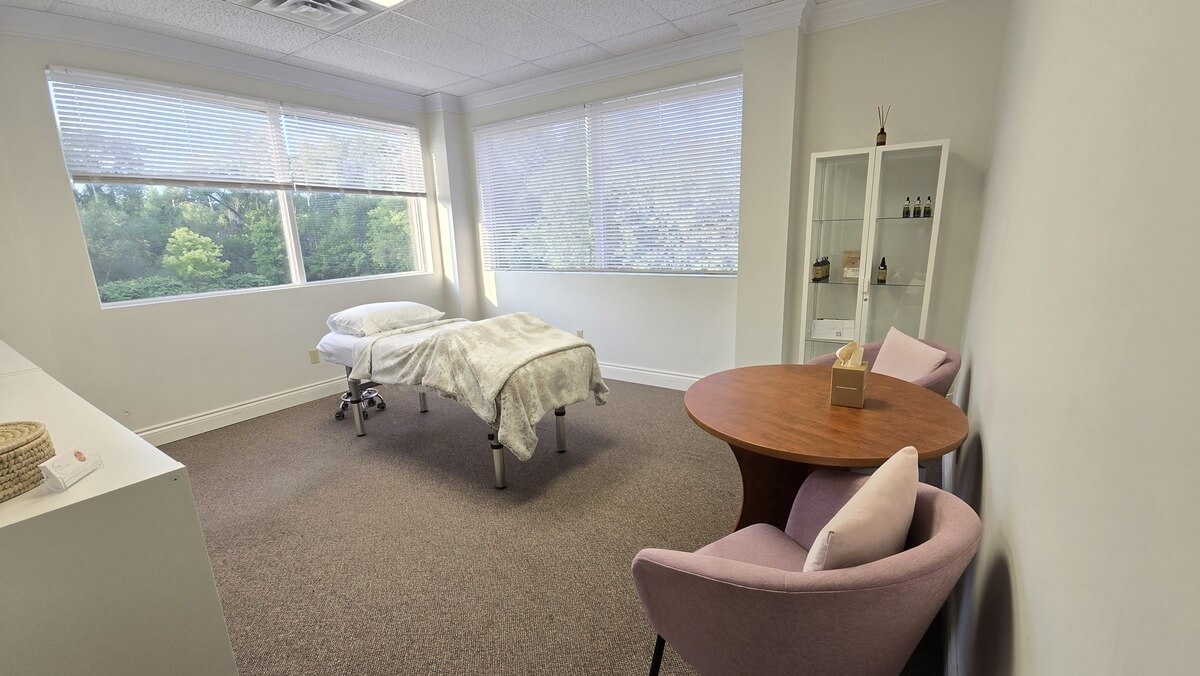
A whole-body perspective
Where you feel pain isn't always the whole story.
The body is an interconnected system. Changes in mobility, tension, posture, previous injuries and movement patterns can influence how you move and how you feel.
Osteopathy uses hands-on assessment and treatment to explore these relationships. Rather than focusing only on the area that hurts, an osteopathic assessment considers how different parts of your body may be working together.
Treatment is individualized. The goal is to understand your concerns, assess your movement and develop an approach that is appropriate for your individual situation.
Common reasons people seek care
What can osteopathy help with?
People seek osteopathic care for a wide range of pain, mobility and movement concerns. An assessment can help determine whether this approach is appropriate for you.
Back Pain
Explore mobility, movement patterns and other factors that may contribute to lower or recurring back discomfort.
Neck Pain
Assessment and hands-on care for neck stiffness, tension and movement-related discomfort.
Sciatica
Consider the relationship between the lower back, pelvis, hips and surrounding tissues when assessing sciatic symptoms.
Headaches & Migraines
Explore musculoskeletal and movement-related factors that may contribute to some headache presentations.
Shoulder Pain
Support for restricted movement, tension and common shoulder complaints.
Sports & Activity-Related Concerns
Support for active people working toward comfortable movement, recovery and a return to the activities they enjoy.
What to expect
A thoughtful approach from assessment to treatment.
Your first appointment is an opportunity to understand what's happening, discuss your goals and determine an appropriate approach.
Osteopathic treatment can involve a range of gentle or more direct hands-on techniques depending on the practitioner, your presentation and your comfort.
1. Talk
We start by discussing what brought you in, your symptoms, health history, activities, previous injuries and goals.
2. Assess
Movement and physical assessment help identify areas that may be relevant to your concern.
3. Treat
Hands-on techniques are selected based on your individual presentation and treatment goals.
4. Plan
We discuss what you can expect next and whether follow-up care, movement strategies or other recommendations may be appropriate.
Osteopathic manual therapy
What happens during osteopathic treatment?
Osteopathic manual therapy can incorporate different hands-on approaches. The techniques used should always be appropriate for the individual and the practitioner's training and scope of practice.
Soft Tissue Techniques
Hands-on techniques directed at muscles and other soft tissues to support comfortable movement.
Joint & Mobility Techniques
Techniques may be used to assess and support mobility of joints and surrounding structures.
Fascial Approaches
Hands-on approaches that consider the relationship between connective tissues and movement.
Choosing the right approach
Osteopathy vs. physiotherapy vs. chiropractic
These professions can overlap in the types of concerns they work with, but their training, assessment methods and treatment approaches are not identical.
Osteopathy
General focus: Whole-body assessment, movement and hands-on treatment.
Common elements: Manual assessment, hands-on techniques and individualized care.
Physiotherapy
General focus: Function, rehabilitation, movement and recovery.
Common elements: Exercise, rehabilitation, education and manual techniques.
Chiropractic
General focus: Musculoskeletal assessment and treatment, often with an emphasis on the spine and joints.
Common elements: Manual techniques, assessment and movement recommendations.
Who is osteopathy for?
Care for people at different stages of life and activity.
You don't have to be an athlete or have a long-standing condition to explore osteopathic care.
People may seek osteopathic treatment because they're experiencing discomfort, restricted movement, recovering from an injury, returning to activity or simply noticing that their body doesn't move the way it used to.
Depending on the practitioner and their training, osteopathic care may also be adapted for different stages of life, including pregnancy and older adulthood.
The first step is an individual assessment to determine whether the approach is suitable for your needs.
Local osteopathy in South Georgian Bay
Serving Collingwood and surrounding communities.
Convenient local care for people living, working and spending time in Collingwood and the surrounding South Georgian Bay area.
- Collingwood
- Wasaga Beach
- Blue Mountains
- Thornbury
- Stayner
- Creemore
Active living in Collingwood
From skiing and snowboarding at Blue Mountain to cycling, hiking, running, golf and other outdoor activities, South Georgian Bay is home to an active community.
If pain, stiffness or restricted movement is interfering with the activities you enjoy, an osteopathic assessment may help you better understand what could be contributing to the problem.
Your local osteopathy clinic
Osteopathy in the heart of Collingwood.
Location
Healing Alchemy – Registered Manual Osteopathy
391 First St Suite 201-06, Collingwood, ON L9Y 1B3
Frequently asked questions
Osteopathy in Collingwood: common questions
What is osteopathy?
Osteopathy is a hands-on approach that assesses relationships between body structures, movement and function. Treatment is individualized according to the person's presentation and goals.
What does an osteopath do?
An osteopathic practitioner assesses movement and physical findings, discusses your health history and concerns, and may use hands-on techniques as part of an individualized treatment approach.
Can osteopathy help with back pain?
Back pain can have many different causes. Osteopathic assessment may consider mobility, movement patterns and surrounding structures when determining whether hands-on care is appropriate.
Can I see an osteopath without a doctor's referral?
In many situations, patients can book directly. Referral and insurance requirements can vary, so check with your extended health plan if you intend to submit treatment expenses.
Is osteopathy covered by insurance in Ontario?
Coverage depends on your specific extended health plan and the practitioner's professional designation. Contact your insurer before your appointment if you need confirmation of coverage.
How long does an osteopathy appointment take?
Appointment length varies between practices and between initial and follow-up visits. Contact the clinic for current appointment durations.
What should I wear to an osteopathy appointment?
Comfortable clothing that allows you to move easily is generally recommended. Your practitioner will provide any additional instructions before treatment.
How many osteopathy treatments will I need?
There isn't one treatment schedule that applies to everyone. The appropriate frequency depends on your concerns, assessment, response to treatment and goals.
Osteopathy in Collingwood
Ready to take the next step?
Start with a conversation about what you're experiencing and what you'd like to improve. An assessment can help determine whether osteopathic care is appropriate for you.