
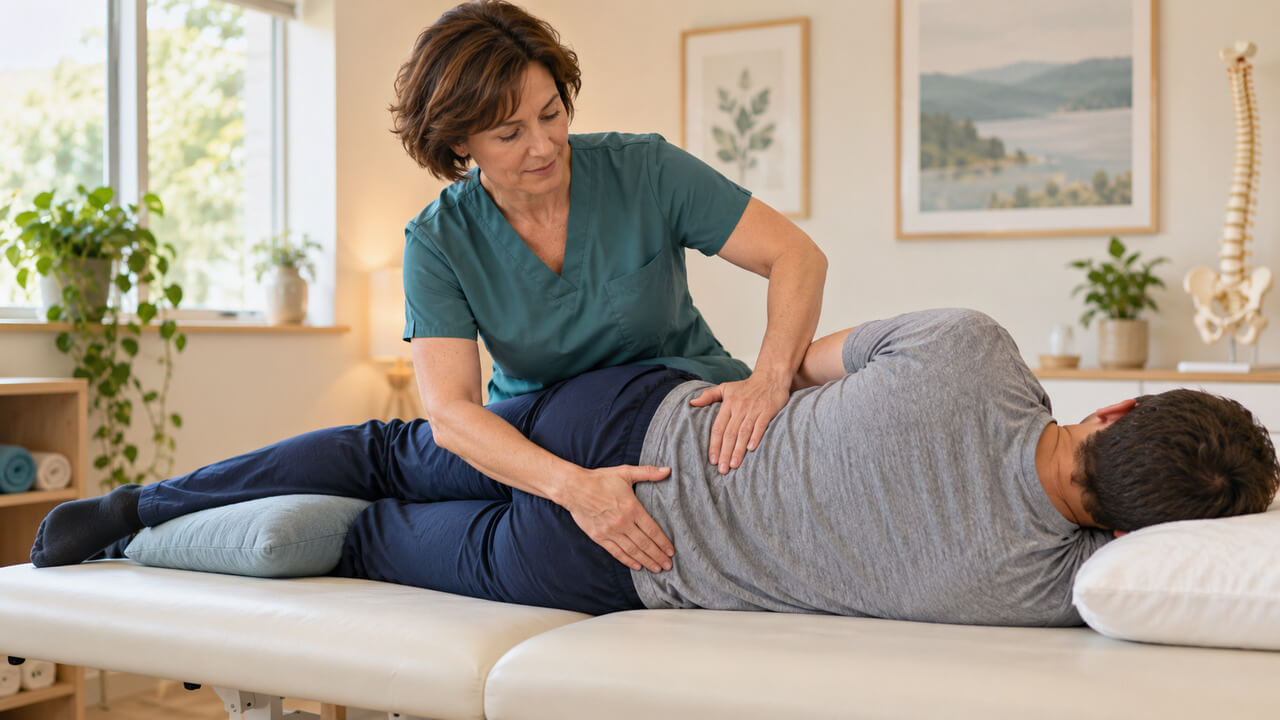
Osteopathy is a hands-on approach to care that focuses on movement, muscles and joints. An osteopathic manual practitioner uses an assessment and manual techniques to help address discomfort and difficulty moving. For someone in Collingwood, that might mean working towards easier walks, more comfortable desk work or a return to recreational activity.
Osteopathy may be one part of managing a musculoskeletal problem. It does not replace medical assessment, and the benefits depend on the condition, the treatment used and the individual.
What osteopathic manual therapy involves
An appointment usually starts with questions about your symptoms and health history. The practitioner may ask when the problem began, what makes it better or worse, and how it affects daily activities. Previous injuries, medications and other treatment can also be relevant.
The physical assessment may involve watching you move, checking comfortable joint movement and using the hands to assess tenderness. Looking beyond the painful area can help the practitioner understand how you manage a task. For example, someone with difficulty bending may have their back and hip movement assessed.
This does not mean every symptom comes from a hidden problem elsewhere in the body. Findings should be explained in plain language, including what remains uncertain.
The website’s overview of osteopathic treatments describes the different hands-on approaches you may hear about.
How treatment may help
Treatment can include soft tissue techniques, gentle joint movements and stretches. Some approaches involve you gently contracting a muscle while the practitioner provides resistance. The choice should reflect your health, comfort and goals.
Hands-on treatment may change how sensitive an area feels or make movement more comfortable for a time. The mechanisms are complex; it is misleading to describe every benefit as a bone being put back into place. A research review discusses the interaction of physical, nervous-system and contextual effects in how manual therapy may influence pain.
An appointment should also help you understand what to do between visits. Depending on the problem and the practitioner’s training, this may involve activity advice, simple movement work or coordination with a physiotherapist.
What the evidence can and cannot tell you
Research on manual therapy is most relevant to certain muscle and joint problems. Results for one technique or condition do not establish that all osteopathic approaches work equally well.
For example, the US National Center for Complementary and Integrative Health describes generally small improvements in pain or function from spinal manipulation for some people with lower back pain. That finding is not a promise about an individual appointment or every form of osteopathy.
Claims that osteopathy cures unrelated internal diseases, permanently corrects everyone’s posture or prevents all future injuries deserve caution. A useful treatment plan has a clear purpose and a way to check whether it is helping.
What to expect at a first appointment
Before treatment, you should understand what is proposed, why it is being suggested and what the alternatives are. You can ask questions, decline a technique or ask to stop. Treatment should not depend on you tolerating sharp or escalating pain.
Wear clothing that allows comfortable movement. Bring relevant medical information and think of one or two activities you want to improve. “I want to sit through dinner comfortably” gives a more useful starting point than simply wanting to feel better.
The first-visit guide provides more information about preparing for an appointment.
Choosing an approach that fits your needs
Ask about the practitioner’s education, experience with your concern, fees and approach to reviewing progress. Clarify whether you are seeing an osteopathic manual practitioner or a physician; these are different roles.
If your main need is structured rehabilitation after injury or surgery, ask whether physiotherapy should lead the plan. Our comparison of osteopathy and physiotherapy can help you prepare questions.
For local residents, the aim should be an understandable plan that supports everyday function—not an open-ended commitment without clear progress.